VAT is more confusing for sports clubs than for most businesses. Three things run together: a reduced rate for sport, an exemption for clubs that don’t aim for profit, and a pile of edge cases that fit neither. The difference isn’t academic. On a €50 membership, 9 percent versus 21 percent is almost €5 per member per month. With three hundred members, that adds up to a year’s salary. So work it out before you set your prices, not after. This is a practical overview of the rules in the Netherlands, not tax advice. The rules have exceptions and your situation may differ. Put your specific case to your accountant or the Belastingdienst (the Dutch Tax Administration).
In short
- In the Netherlands, giving people the opportunity to practice sport falls under the reduced VAT rate of 9 percent. That’s still true in 2026: the planned rise to 21 percent was dropped.
- Sports clubs that don’t aim for profit fall under the sports exemption: no VAT to pay, and none to reclaim either.
- Personal training without a sports facility is a gray area that often falls under 21 percent.
- The bar, supplements and merchandise follow their own rate, not your membership’s.
Is VAT on sport going up to 21 percent in 2026?
No. The Dutch cabinet wanted to raise the reduced rate for culture, media and sport from 9 to 21 percent on 1 January 2026. After pushback in the House of Representatives, the cabinet dropped the rise in the Spring Memorandum 2025 (the Voorjaarsnota, its budget update). Only accommodation, such as hotel stays, goes to 21 percent.
For your club, that means what fell under 9 percent in 2025 still does in 2026. If you already raised prices for next year expecting a VAT increase, that room is now margin. Or a reason to reverse the increase.
The sports rate: 9 percent
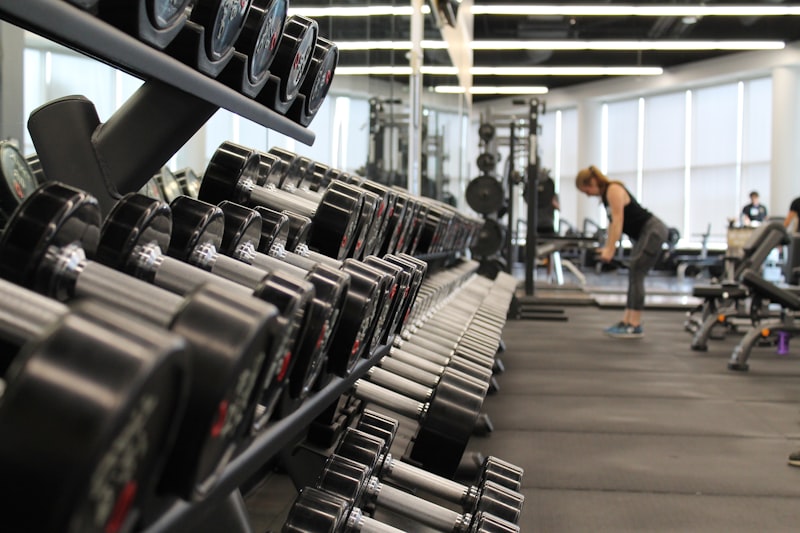
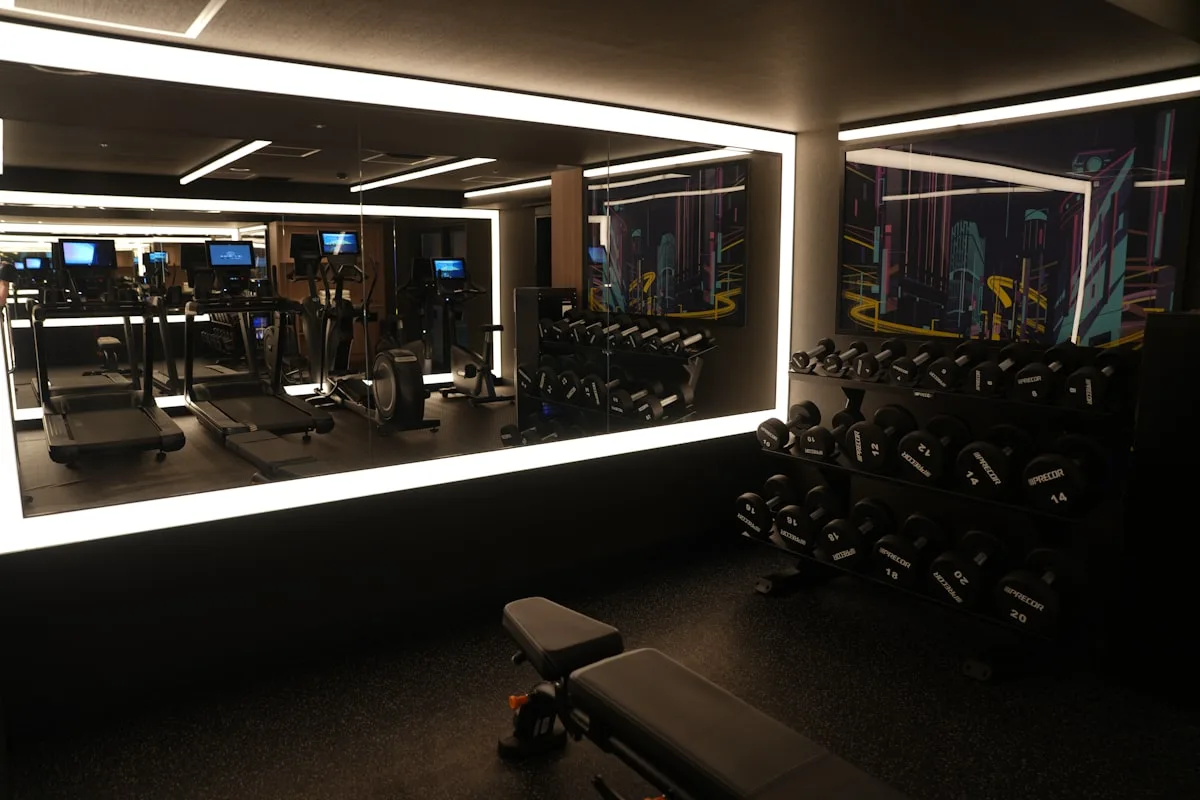
The main rule is clear. In the Netherlands, giving people the opportunity to practice sport falls under the reduced VAT rate of 9 percent. That’s the rate on your regular memberships: a member pays to exercise at your place, and you make your premises and equipment available.
"Giving the opportunity" is the hinge of the whole scheme. What matters is that you provide a sports facility to people who exercise there. A monthly gym membership, a punch card for group classes, a day pass: at their core, these all fall under it.
A sign-up fee generally follows the service it belongs to. A one-off fee that can’t be separated from the membership usually shares the membership’s rate. If in doubt, ask your accountant.
The sports exemption: only if you don’t aim for profit
Sports clubs and foundations that don’t aim for profit take a different route: the sports exemption. These organizations don’t charge VAT on membership fees.
There’s a flip side people forget. If you’re exempt, you can’t reclaim VAT on your purchases either. Build a new facility or buy a lot of equipment, and you can’t deduct that input VAT. For a club that invests, the exemption can backfire.
Important: what counts is that you don’t aim for profit, not the legal form alone. A commercial gym, even if it’s a private limited company (bv) or a sole proprietorship, isn’t covered and simply charges the sports rate. If you’re a club or foundation and you’re not sure the exemption applies, get it checked explicitly. This is where clubs go wrong for years without noticing.
The gray areas
This is where it gets tricky, and where most of the money is. Review these cases with your accountant.
- Personal training: if you only sell guidance or instruction and don’t provide a sports facility, it likely falls under the general rate, not the sports rate. If you train your clients in your own gym, it’s different. The distinction is subtle and worth pinning down.
- Standalone online coaching and plans: a training plan or remote coaching, with nobody training at your place, is a service, not an opportunity to practice sport.
- The bar and the vending machine: drinks and food follow their own rate, not your membership’s. Alcohol falls under the general rate.
- Supplements, clothing and merchandise: that’s selling goods, not giving the opportunity to practice sport. Don’t assume the sports rate applies.
- Sports events: tickets for a match or event, where you sell access to the sport itself, also fall under 9 percent. Food, drinks or merch sold there follow their own rate.
- Renting out your room to another business: renting isn’t the same as giving the opportunity to practice sport, and it has its own rules.
The question is always the same: are you providing a sports facility, or selling something else?
What this means for your prices and your books
Three things to take away.
First, settle your VAT position before you set prices. Say you price a membership at €50 assuming 9 percent, then find out part of your revenue falls under 21 percent. You’ve just given up that margin. See also how to set your membership prices.
Second, your books have to handle several rates at once. A membership at the sports rate, a protein shake at another rate and a PT program that may fall under yet another have to be kept apart. A system where you can find payments and invoices per type of revenue saves you a lot of sorting at the end of the quarter. If your records flow into your accounting package, that split goes along with it.
Third, and most important: use this overview to walk into your accountant’s office prepared, not to skip the visit. The rules have exceptions, and your situation is a little different from the club around the corner.
About to start? Read the step-by-step plan to start a gym too. VAT is one of the decisions you have to make before your first member.
Frequently asked questions
Does VAT on sport stay at 9 percent in 2026?
Yes. The rise from 9 to 21 percent on 1 January 2026 was dropped. The reduced rate still applies to giving the opportunity to practice sport, such as fitness, yoga and group classes, and to access to sports events. Only accommodation goes to 21 percent.
Which VAT rate applies to a gym membership?
In the Netherlands, giving people the opportunity to practice sport falls under the reduced rate of 9 percent. At its core that covers your regular memberships, punch cards and day passes, where you make your facility available to people who exercise there. Check your own situation with your accountant, because there are exceptions.
Does the sports rate also apply to personal training?
That’s a gray area. If you only sell guidance or instruction without providing a sports facility, it probably falls under the general rate, not the sports rate. If your client trains in your own gym, it’s different. Take this one to your accountant.
Does my sports club have to pay VAT on membership fees?
Clubs and foundations that don’t aim for profit generally fall under the sports exemption and charge no VAT on membership fees. The flip side: you can’t reclaim VAT on purchases and investments either. With a large investment that can backfire, so have your position checked.